Understanding what is a park home means understanding why they are becoming increasingly popular across the UK. There are now over quarter of a million people currently living in park homes, and the popularity is growing year-on-year.
What is a residential park home?
Let’s break the phrase down into two pieces: ‘residential park’ and ‘home’. A residential park is a patch of land which is owned privately or by a local council or authority. It can be quite a significant plot, or it could be modestly sized.
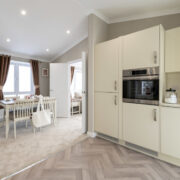
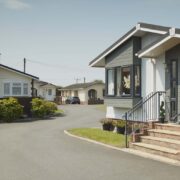
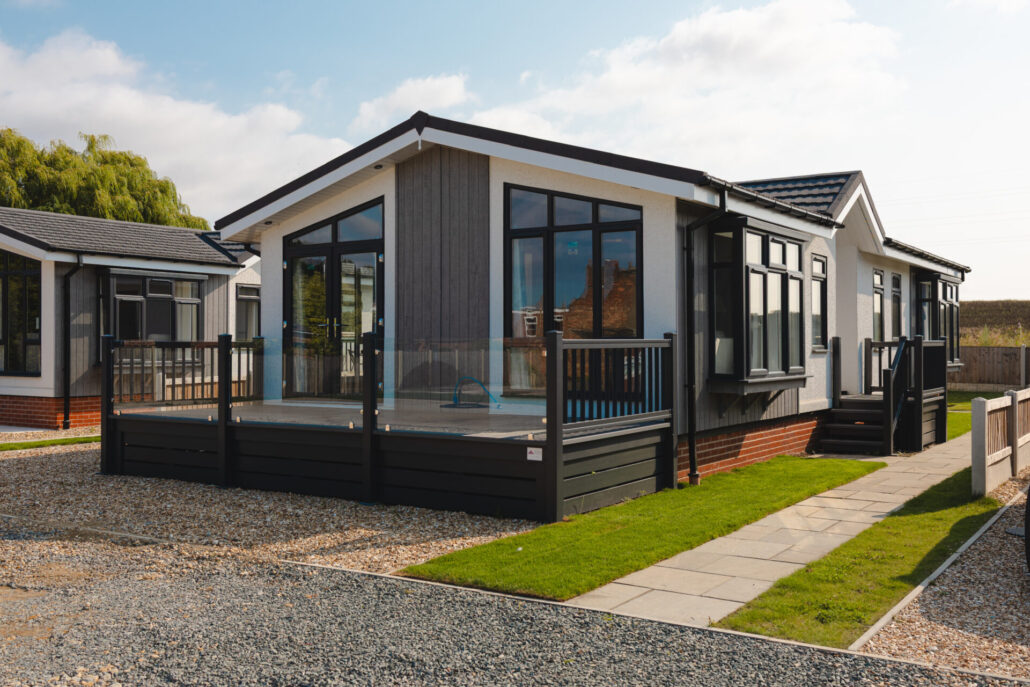
A home is one of the dwelling structures placed on it. These are usually pre-furnished single storey homes (i.e. bungalows) and have been manufactured and transported to the site rather than built directly onto it.
Benefits of living in a park home
There are many benefits compared to living on traditional streets, including;
- Security and safety
- Pastoral support
- Community events
- Peace and quiet
- Beautiful surroundings
It’s no wonder this way of living appeals so much, particularly to the older community. However, there are several questions people tend to ask about residential park homes.
Are residential park homes moveable?
Park homes are manufactured in factories and transported to the parks, once on the parks they are connected up to services such as water, drainage, gas and electric.
This is typically where they would stay permanently. Park homes can technically be moved again but if you’re looking to change parks we would suggest buying a new home as it generally works out cheaper than transporting an old home. Your park home will be classed as a mobile home and is covered by the government’s Mobile Homes Act of 1983.
So what do I actually own when I buy a park home?
When you purchase a residential park home, you are buying the building itself but not the ‘pitch’ it is sited on. The land belongs to the owner, and you rent it by paying a regular fee to them or to the company set up to manage it.
You might pay this cost on a monthly basis, as a weekly fee or, in some cases, as an annual amount. There will be terms and conditions built into the contract you’ve agreed and signed with the park owner or management company, and this may cover or restrict the things you can do on the land around your park home.
What is the difference between my bricks and mortar house and a park home?
There are a few significant differences.
1. Materials:
The main one is that bricks and mortar homes are constructed from the ground up and are ‘built into’ that ground (their foundations etc). Park homes are manufactured away from the park they are eventually sited on, and different materials are used. Typically they will be built using a timber frame mounted on a steel chassis, so they’re durable and weatherproof. Modern park homes are built in line with the British Standard BS3632.
2. Mortgage:
It can be difficult to get a mortgage on a park home, this is because unlike a bricks and mortar house, you do not own the land. There are a few specific park home finance companies available. There may be other options if you don’t have the cash at hand, here at Laird Estates we offer a part exchange scheme if you own your existing home.
3. Money:
It’s usual that your utilities bills for your park home will be paid as a fee to your park owner or management company. Don’t worry, though – you are protected as, in accordance with the Office of the Gas and Electricity Market’s standards, the site can’t make a profit on this and charge you more than they’ve paid for the energy or water you use. Bear in mind that it’s possible an administration fee may be added, though.
How long will a residential park home last?
The ‘life span’ of a brand new park home is expected to be up to 80 years, so that is a good chunk of time. They may last even longer if they are particularly well looked after and maintained.
Just like with any bricks and mortar house you have lived in, your park home will be your pride and joy and you will want to keep clean and tidy, and on top of all of the maintenance jobs that arise from ownership. The exterior and interior of the park home are equally important, and it will pay off to be meticulous in the way you approach condition.
Can I live in a park home all-year round?
A residential park’s licence has to state whether it’s a ‘holiday’ site or completely residential as the law is applied differently in each case. If you intend to live in the park home all year round it is absolutely essential that you make sure that both the park you would like to move to and the pitch you’ve chosen are licensed for residential. We have park homes in Shropshire, Cheshire, Derbyshire, and Scotland.
Still have questions about what is a park home?
Here at Laird Estates we have full residential licensing across our seven parks, and therefore you can live with Laird full time (i.e. all year round). Residential park home living at one of our seven parks is such a fantastic option for people who have reached retirement age (or even semi-retirement age).
With wonderful views and extremely comfortable environments to enjoy, and great company with communities of like-minded neighbours, you will never have been happier!
Get in touch with Laird Estates today to buy a park home for your future!