Posts

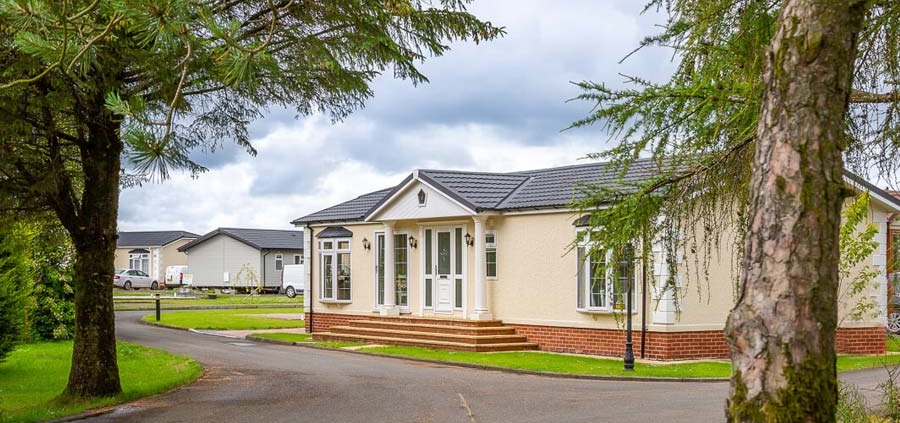
Eaglesham

Nestled in the heart of Scotland, the region of East Renfrewshire offers a delightful blend of urban and rural experience, with rich history, scenic countryside and vibrant culture all making for absolutely perfect days out. In short, there’s something worthwhile to captivate everyone who decides to take a little time out from our Heatherbank park to explore. In this edition of our blog, we’ll focus on some of the best activities and attractions in the area.

Social and cultural history

Around 40 minutes away from Heatherbank, the city of Glasgow has huge appeal. Just like everywhere else in the world, one of the most important ways that a place can tell its story is through the lives of its people and Glasgow does so particularly well.

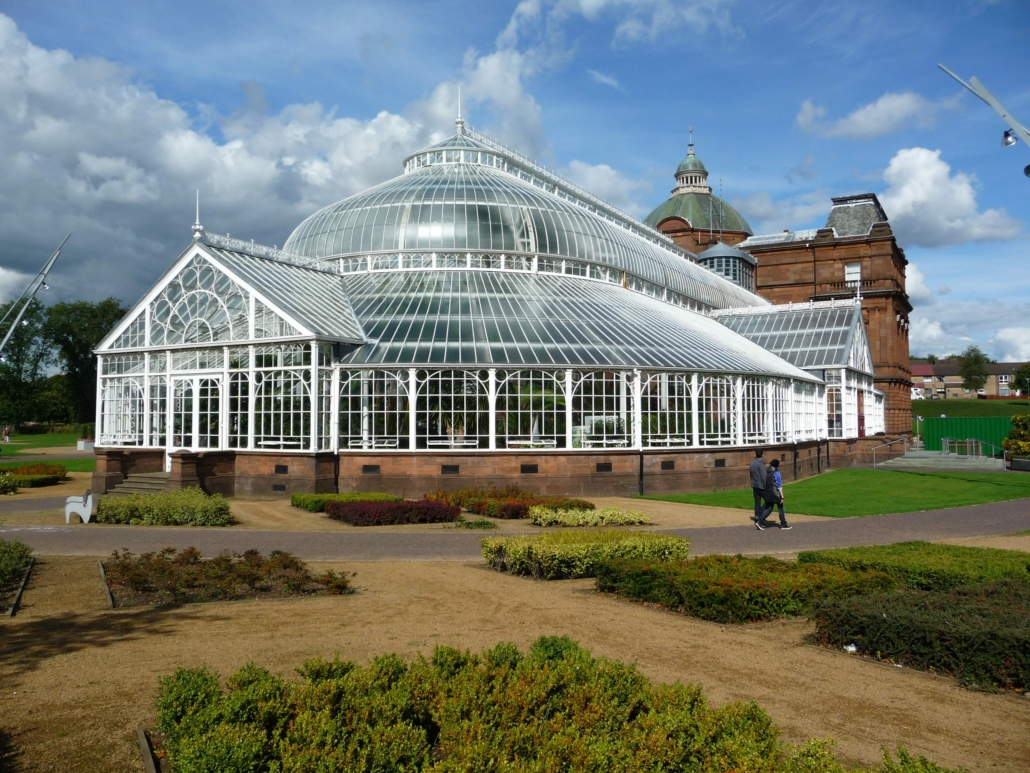
  • The People’s Palace: This museum with stunning glasshouse is situated in Glasgow Green and has been open since 1898. In those 125-plus years its purpose has changed from the provision of reading and recreation rooms for the poor to a museum of social history for the city. Collections and displays contained within reflect the changing face of Glasgow and the different experiences of its people at home, work and leisure. The glasshouse features stunning indoor gardens and, outside, the restored Doulton Fountain stands on Glasgow Green, the oldest public space in the city.
Theatres

Glasgow is one of Scotland’s most popular and important cultural hubs, great for art, music and a thriving theatrical scene. 

  • Theatre Royal: One of the oldest and most prestigious theatres in the city, Glasgow’s Theatre Royal offers a variety of entertainment, with opera and ballet performances alongside contemporary drama. Established in 1867, the Theatre Royal has retained its Victorian charm while also being updated to provide modern amenities within a truly striking exterior. The Theatre Royal is easily accessible and even offers guided tours that offer insight into its fascinating history.
  • King’s Theatre: Another iconic theatrical venue in Glasgow, the King’s Theatre, is known for its lavish productions of West End shows and pantomimes, as well as holding classical concerts. Built in 1904, this historic and significant theatre features fantastic Edwardian architecture. Inside, comfortable seating and excellent acoustics make it a favourite for audiences looking for a sophisticated evening out.

Historic sites

East Renfrewshire’s rich history offers many options for those Heatherbank residents interested in going a little further afield to explore Scotland’s heritage.

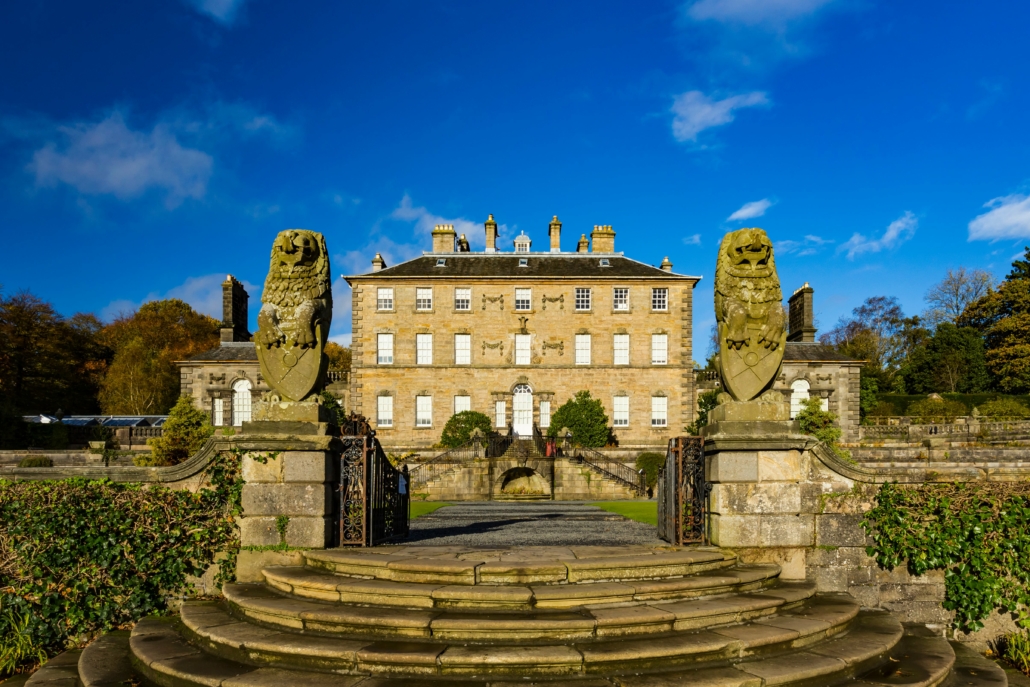
  • Pollok House / Country Park: A mere half-hour from Heatherbank, Pollok Country Park is an award-winning 146-hectare site located between Shawlands, Crossmyloof, and Pollok in Glasgow. In 2007 Pollok was named Britain’s Best Park and a year later it was named the Best Park in Europe. Pollok House itself is currently closed for a £4 million National Trust for Scotland refurbishment programme (roof and general building fabric repairs) but visitors can still enjoy the only Country Park within Glasgow. Extensive woodlands and gardens provide a tranquil city sanctuary for both visitors and wildlife.
Green spaces

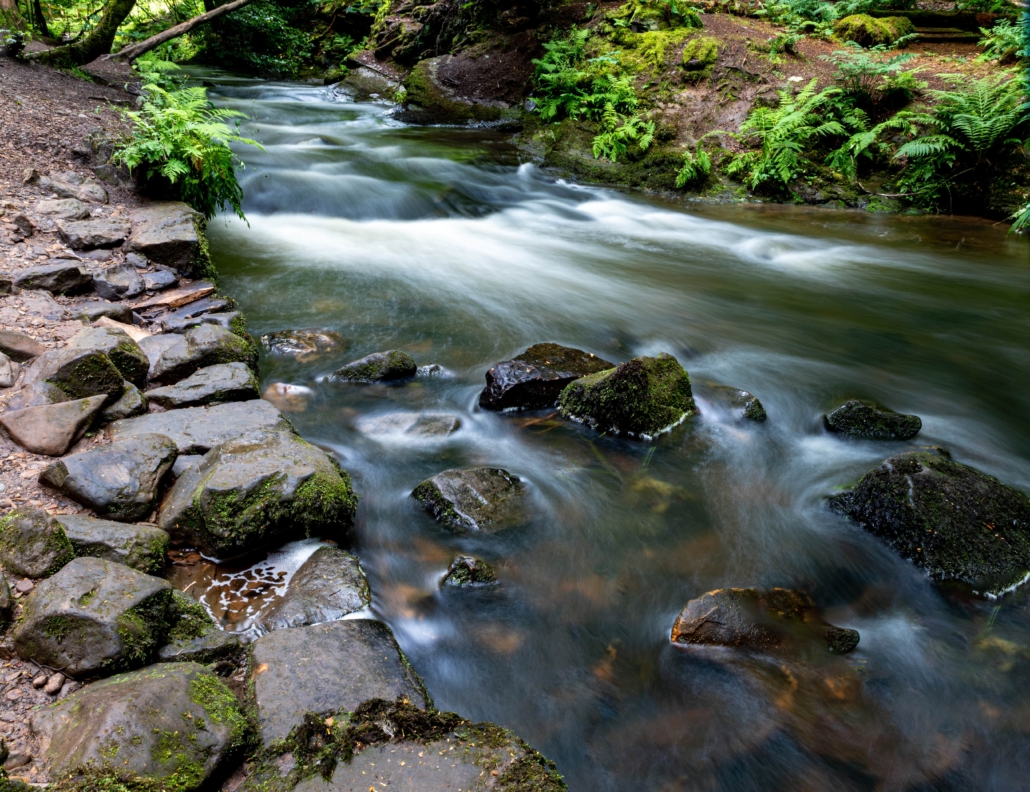
  • Rouken Glen Park: This Victorian park in Giffnock is one of East Renfrewshire’s most popular green spaces. It features a boating pond, walled garden and picturesque waterfall – so there is plenty to captivate during a leisurely stroll. You could even enjoy a picnic or visit one of the events the park hosts throughout the year, which include farmers’ markets and outdoor concerts.
  • Greenbank: Designed to showcase a wide variety of plants, Greenbank is a charming 18th-century walled garden located in Clarkston, a mere half-hour away from Heatherbank. The garden’s layout, with its herbaceous borders, woodland walks and seasonal displays offers the perfect location for gardening enthusiasts to gain inspiration as well as knowledge and general pastoral pleasure!
Cultural sites

If you’re looking for days out from Heatherbank which involve taking deeper dives into local history and culture, East Renfrewshire provides several wonderful options.

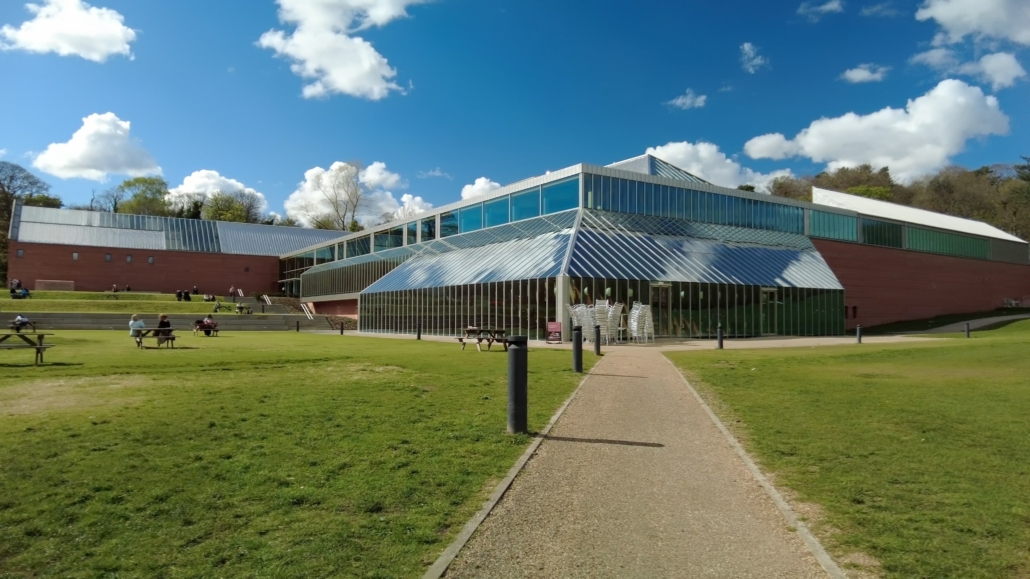
  • The Burrell Collection: Situated in Pollok Country Park, the Burrell Collection is one of the finest personal art collections in the world. In 2023 it was renovated and reopened, and now features over 9,000 objects – including Paul Cezanne’s The Chateau of Medan, Manet’s Women Drinking Beer and Auguste Rodin’s The Thinker alongside medieval tapestries, Chinese ceramics, Impressionist paintings and more.
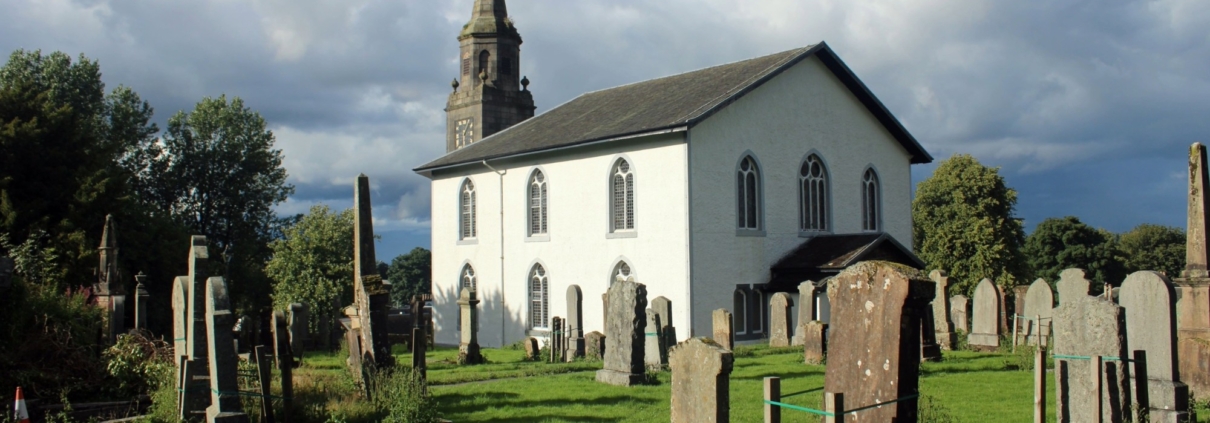
  • Eaglesham: This picturesque conservation village offers a real glimpse into Scotland’s past. The layout, known as a ‘planned village,’ dates back to the 18th century. Walking through it provides charming views of whitewashed houses, the historic Orry (a common green space) and the elegant Eglinton Arms Hotel which dates back to 1759.
  • Whitelee: For a modern twist on countryside culture, Whitelee Windfarm offers the UK’s largest onshore windfarm. Located on the outskirts of Eaglesham, the visitor centre showcases educational exhibits about renewable energy, and the site also offers more than 130 kilometres of trails to walk cycle – all the while enjoying panoramic views of the surrounding landscape.
Dining out

If you are on the lifelong hunt for the ultimate dining experience, East Renfrewshire offers a few stop-offs to try – from traditional Scottish fare to international cuisine.

  • The Redhurst Hotel: Located in Giffnock, a half hour from Heatherbank, the Redhurst Hotel offers a delightful dining experience (as well as somewhere grand to stay if you fancy an overnighter). The restaurant menu features a mix of classic Scottish dishes and contemporary cuisine, all of which are prepared with locally sourced ingredients.
  • Dalmeny Park House Hotel: Situated in Barrhead, a mere ten minutes away from Heatherbank, the very stylish Dalmeny Park House Hotel is set within stunning landscaped gardens and includes The Orchid restaurant. Afternoon tea at Dalmeny Park is also a treat, served in the elegant drawing room or on the terrace overlooking the gardens.
  • Eastwood Park Theatre Café: For a more casual dining option, the café at Eastwood Park Theatre in Giffnock offers a selection of light meals, snacks and drinks. It’s a great place to relax before or after a performance or while visiting the nearby Eastwood House and surrounding gardens.

East Renfrewshire is an area truly rich in culture, history and natural beauty – and so it is perfect for those at our idyllic Heatherbank retirement park who still have plenty left in the tank and are looking to fully explore the region. Whether you’re a theatre enthusiast, a history buff, a discerning diner or simply someone looking to enjoy serene Scottish countryside, there’s something for all.

Looking for Park Home for Sale in Scotland? Get in touch today!

Signing a contract with a pen

Park home life can be incredibly rewarding, particularly for those who want to retain a community feel when they move to somewhere new, but also want the physical convenience a park home provides. There are around 2,500 residential parks in the UK, and this is becoming an increasingly popular way for people to live, especially when looking to enjoy a quiet retirement.

What do I need to know when buying a park home?

The process of buying a park home differs from the process you go through to buy a traditional property (in other words, a house). In this edition of our blog, we present the definitive guide to buying a park home – from the definition of a park home to the rules on residential sites, providing answers to any of the common questions you might have.

What is a park home?

For those who are unaware of, or unsure of, what a park home actually is, a brief explanation may prove valuable. A park home is a detached prefabricated home which is permanently located on a private site. Typically, park homes are manufactured and then placed in configuration on plots of land owned by a private company or local authority, forming a village environment. Buying a park home means you own the building, though the land it sits on will be owned by the operator of the park and you will pay site fees to them, which will cover things general maintenance.

There are specific maximum dimensions which must be adhered to for a property to be classed as a park home. They are:

  • Length: 65 feet (approx. 20 metres)
  • Width: 22 feet (approx. 8 metres)
  • Height: 10 feet (internal floor to ceiling)

Is a park home right for me?

This is a very important question to ask yourself. Buying a park home and relocating will have a massive impact on your life, so you should not make any decision lightly. Buying a residential home represents a commitment of significant finances. Park homes for over 50s are very popular – though, while some individuals find joy in park living, others may discover that it does not align with their requirements. However, for the vast majority it is a quality way of life which exceeds initial expectations. The unique features of park homes – such as their affordability, ease of maintenance, integration into natural surroundings, and reduced size – make them a significantly attractive option. Before committing to purchasing a residential park home, it’s crucial to evaluate personal motivations and determine whether they justify the decision to move.

Choosing the right location

Some buyers may already have a preferred area to which they would prefer to relocate, and others may be attracted to the idea of park living but not have a specific location in mind. The first step is to identify a park you like and that you feel you could live at. This could be partially determined by the geography of the park – say, closeness to family, familiar towns it is near, or proximity to the seaside etc.

It’s essential to make a physical visit to any potential park

Your choice of park may be informed by what is on offer or even just the feeling you get when viewing for the first time. Factors such as the number of homes on site, the facilities available and the quality of the local environment will all help you to decide on a ‘winner’ from your list of possible parks. It’s also good to strike up conversations with current residents when you visit, as they will fill you in on the very best things about living on the park. They may even offer useful information about the facilities, as well as tips about things you can do in the nearby towns.

Other considerations

Also essential will be other considerations which will play a role in the decision-making process:

  1. Size and space

If you’re looking to free yourself up from your possessions and downsize your living environment to something which is more manageable, then a park home can be a great alternative to the more traditional move of buying a bungalow or retirement flat. This reduction in square footage of living space makes park homes easier to maintain – as well as easier to clean and cheaper to heat.

  • Cost

Some buyers will be happy to spend more money to get a totally new property, whereas others will work to a lower budget or prefer to conserve some of their cash by moving into an existing home. In the vast number of cases, the cost of a park home is the biggest factor in deciding whether to go new or pre-owned.

  • Speed of acquisition

Buying a park home can be a relatively speedy process – certainly much quicker than the purchase of a bricks and mortar home. The only real exception to this is if you are buying pre-owned and the existing owner requires a lengthier moving-out period.

  • Ease of moving

Using Laird’s exceptional Easy Move scheme, you can be out of your bricks and mortar house and into your park home in super-quick time. Easy Move streamlines the whole process and removes much of the hassle. It involves choosing one of our park homes, commissioning a valuation of your bricks and mortar house, us making an offer based on it, agreeing an exchange and completion, and you moving in to one of the park homes located on one of our eight sites. We also offer a personalised removal service, in partnership, and you can book yours for a discounted rate. The whole process is incredibly simple.

  • Running costs

Owning a park home is similar to any other home, in that regular upkeep is required – including cleaning and utilities checks. It’s a good idea to check out how these costs compare to those on your current home before you decide to make the move.

  • Site rules and regulations

When considering a potential purchase, it’s important to be aware of the rules and regulations on the park you have in mind. Adhering to them helps create a smooth and happy living experience for all. Likely rules and regulations on a park include things like residency period allowances, park owner responsibilities and obligations – and these should be thoroughly examined in advance so that you know what you are signing up for.

If you’re thinking about making the move into beautiful scenery and a community vibe, we look forward to hearing from you to arrange an appointment to view any one of our eight parks and the available park homes for sale on it. As we mentioned earlier in this blog, we also operate the Easy Move scheme, making the whole process of selling your house and buying a park home incredibly simple and fuss free. If you have any further queries don’t hesitate to contact us – as ever we’ll be more than happy to assist. In no time, you can be living the dream!

Couple sit on the floor between new boxes used to move house

It’s well known that selling up and moving home can be a difficult decision. In a recent survey almost half of respondents (47%) experienced increased stress levels as a result. An incredible 41% of adults suffered anxiety, 31% experienced sleep deprivation and 25% had arguments with their partner over the whole moving process. Coupled with retirement – an era of your life when you look to relieve all stresses and strains – it’s obvious that a hassle-free way to move home would be the ideal solution to a common problem.

Laird Estates has come up with that perfect solution! We offer a simple Easy Move scheme to help you make the transition into one of our retirement parks, involving a part exchange of your old home for your new Laird Estates park home. In this brief edition of our blog we’ll explain more about our Easy Move scheme – and before you know it, all the stress of relocation will completely melt away!

How It Works

Find the right Laird Estates park

The first step is deciding that you want to move in to one of Laird Estates’ residential park homes, and the second is deciding which park suits your needs the best. Our eight parks have each been designed with care so that they make the most of their superb location. There’s a calm village ambience, so each park is friendly, whilst remaining peaceful and quiet. Set in picturesque countryside, these park homes for retirees are conveniently located for visits to (and the essential amenities of) their nearby towns. We have residential park homes in Shropshire, Cheshire, Derbyshire, and Scotland. You can find out a little more about each park by clicking on the individual parks, below.

Choose your retirement park home

The next step is to choose from one of our wonderful show homes or express your interest in a new plot, and order the home of your choice. At Laird Estates we always have an excellent selection of brand-new park homes for sale, ready for immediate occupation. Once you have made your choice, two local estate agents or surveyors will view your existing property and submit a report, at no cost to you.

The offer: How long does it take to buy a park home?

Using the information provided by the estate agent or surveyors, we will aim to issue you with a formal offer within 48 hours of the reports. Once you’ve received this offer, there is no charge or obligation on your part to proceed.

Do I need a solicitor when buying a park home?

If you do decide to accept our offer, then solicitors are instructed. If you don’t have your own solicitor, then we can provide one from our panel of solicitors, and if this is the case we will also pay your legal fees. The sale and purchase will proceed to the exchange of contracts, and completion will be agreed for your preferred date. At this point you’re free to move into your new park home! Buying a park home really is that simple.

What are the benefits of the Easy Move scheme?

This Easy Move scheme from Laird Estates is a very straightforward and speedy solution to the problems inherent in moving home and changing your lifestyle.

  • Financial

From a financial perspective, you will have price certainty – both on your new Laird Estates park home, and on the sale of your existing property. There are no estate agents to deal with (other than briefly, at the point of making a valuation on your home), so there are no estate agent fees to pay, nor solicitors and stamp duty.

  • Reassurance

By using the Easy Move scheme you will avoid all sorts of other potential problems that can occur when moving home in the standard fashion. There will be no time wasters just wanting a peek around your home, and no complaints about what is ‘wrong’ with it.

  • Simplicity

You will also completely avoid the disappointment of a house sale falling through or a buyer chain collapsing – as once the deal for your new Laird Estates park home is made, it’s definitely yours. The process is so simple. We will agree a completion date to suit you and to coincide with the availability of your new Laird Estates home, and the speed of exchange through this whole process means you will be living in it and enjoying your new lifestyle sooner rather than later.

  • Removals (on request)

Part of the Easy Move scheme’s aim is to completely remove the stress of the whole scenario for you, so we also offer a personalised removal service in partnership with Ballards, specialists in the removal field. You can now book your removal service with them, through us, at a discounted rate. They even offer a handyman service so that any difficult furniture can be dismantled and reassembled in your new location. We don’t take any commission for this introduction.

How do I go about sorting out Easy Move?

It’s very simple to get the ball rolling, once you have decided that park home living here at Laird Estates is for you and that you’d like to sell up and move. Simply give us a call (on 01630 638285) and we can discuss how our fantastic Easy Move scheme can make your life so much simpler! Before you know it you’ll be enjoying a calm and peaceful village lifestyle, having avoided all of that potential stress of moving home.

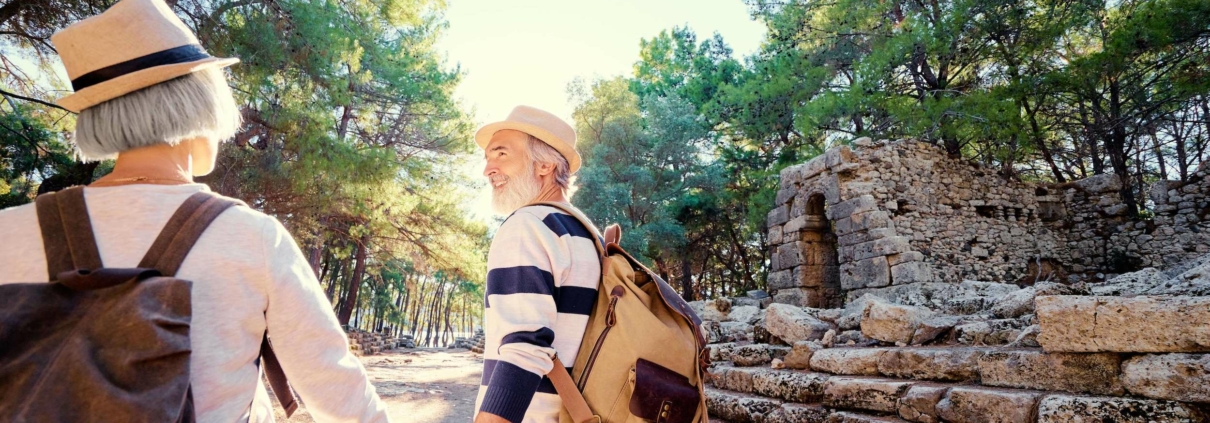
retired couple walking

Retirement marks a new chapter in life – one that should be filled with a sense of calm, community, and the opportunity to engage in activities that bring fulfilment. As retirees increasingly seek alternatives to traditional housing, park homes have emerged as a hugely appealing option for retirement living.

In this blog, we’ll explore why residential retirement homes are a great way to spend your retirement as you escape the hustle and bustle to begin a new chapter.

1.   Sense of community

In day to day life, it’s become commonplace not to converse with our neighbours – perhaps we don’t even know their names. One of the standout features of park home living is the strong sense of community that residents often experience. Connections really do matter! Research has shown that a sense of community felt by people over 60 can make a hugely positive impact on their quality of life and self-esteem.

Unlike large, impersonal neighbourhoods, park home communities are often close-knit, fostering a sense of belonging and camaraderie among residents. Shared amenities, communal spaces, and organised social events create opportunities for retirees to connect with like-minded individuals, forming lasting friendships that can really enrich your retirement years.

2.   Great locations

Choosing the right location for retirement is crucial, with the UK offering some of the most beautiful countryside spots in the world. Our park homes are situated in picturesque settings, located close to charming villages, towns and coastlines, giving you the best of both worlds. These locations provide respite from busy life, allowing you to enjoy a peaceful retirement right on nature’s doorstep.

3.   Something new to try

Retirement doesn’t mean slowing down; in fact, it’s the perfect time to embrace new hobbies and activities – life doesn’t have to completely slow down! Our park home communities often offer a huge range of options to keep residents engaged and active. From cycling to joining a new club nearby, there’s always something to do!

4.   Stunning walking trails

One of the most cherished activities, especially for nature enthusiasts, is the availability of great walks, perfect for those who enjoy a leisurely stroll or a more challenging hike. Our rural locations are a great encouragement to staying active or exploring new surroundings. These walks not only contribute to physical wellbeing but also provide moments of reflection and connection with nature! What’s more, our parks are pet friendly so you can bring your best friend along with you! In a previous blog, we recommended some stunning dog walks located within a short distance of each park – be sure to check them out!


Woman walking a dog

So, are park homes a good idea for retirement?

Choosing where to spend your retirement years is a significant decision, and our retirement park homes across Scotland and England offer a compelling option for those seeking a blend of community, location, and engaging activities. The sense of belonging, the beauty of the surroundings, and the joy of activities like great walks make park home living an attractive choice if you’re looking to embrace a fulfilling retirement lifestyle. Be sure to consider the possibilities that residential parks bring – we have a number of luxury park homes for sale in different locations currently available to view now.

Willerby Charnwood | What is a park home | Laired Park Homes

Understanding what is a park home means understanding why they are becoming increasingly popular across the UK. There are now over quarter of a million people currently living in park homes, and the popularity is growing year-on-year.

What is a residential park home?

Let’s break the phrase down into two pieces: ‘residential park’ and ‘home’. A residential park is a patch of land which is owned privately or by a local council or authority. It can be quite a significant plot, or it could be modestly sized.

A home is one of the dwelling structures placed on it. These are usually pre-furnished single storey homes (i.e. bungalows) and have been manufactured and transported to the site rather than built directly onto it.

Benefits of living in a park home

There are many benefits compared to living on traditional streets, including;

  • Security and safety
  • Pastoral support
  • Community events
  • Peace and quiet
  • Beautiful surroundings

It’s no wonder this way of living appeals so much, particularly to the older community. However, there are several questions people tend to ask about residential park homes.

Are residential park homes moveable?

Park homes are manufactured in factories and transported to the parks, once on the parks they are connected up to services such as water, drainage, gas and electric.

This is typically where they would stay permanently. Park homes can technically be moved again but if you’re looking to change parks we would suggest buying a new home as it generally works out cheaper than transporting an old home. Your park home will be classed as a mobile home and is covered by the government’s Mobile Homes Act of 1983.

So what do I actually own when I buy a park home?

When you purchase a residential park home, you are buying the building itself but not the ‘pitch’ it is sited on. The land belongs to the owner, and you rent it by paying a regular fee to them or to the company set up to manage it.

You might pay this cost on a monthly basis, as a weekly fee or, in some cases, as an annual amount. There will be terms and conditions built into  the contract you’ve agreed and signed with the park owner or management company, and this may cover or restrict the things you can do on the land around your park home.

What is the difference between my bricks and mortar house and a park home?

There are a few significant differences. 

1.   Materials

The main one is that bricks and mortar homes are constructed from the ground up and are ‘built into’ that ground (their foundations etc). Park homes are manufactured away from the park they are eventually sited on, and different materials are used. Typically they will be built using a timber frame mounted on a steel chassis, so they’re durable and weatherproof. Modern park homes are built in line with the British Standard BS3632.

2.   Mortgage:

It can be difficult to get a mortgage on a park home, this is because unlike a bricks and mortar house, you do not own the land. There are a few specific park home finance companies available. There may be other options if you don’t have the cash at hand, here at Laird Estates we offer a part exchange scheme if you own your existing home.

3.   Money

It’s usual that your utilities bills for your park home will be paid as a fee to your park owner or management company. Don’t worry, though – you are protected as, in accordance with the Office of the Gas and Electricity Market’s standards, the site can’t make a profit on this and charge you more than they’ve paid for the energy or water you use. Bear in mind that it’s possible an administration fee may be added, though.

How long will a residential park home last?

The ‘life span’ of a brand new park home is expected to be up to 80 years, so that is a good chunk of time. They may last even longer if they are particularly well looked after and maintained.

Just like with any bricks and mortar house you have lived in, your park home will be your pride and joy and you will want to keep clean and tidy, and on top of all of the maintenance jobs that arise from ownership. The exterior and interior of the park home are equally important, and it will pay off to be meticulous in the way you approach condition.

Can I live in a park home all-year round?

A residential park’s licence has to state whether it’s a ‘holiday’ site or completely residential as the law is applied differently in each case. If you intend to live in the park home all year round it is absolutely essential that you make sure that both the park you would like to move to and the pitch you’ve chosen are licensed for residential. We have park homes in Shropshire, Cheshire, Derbyshire, and Scotland.

Still have questions about what is a park home?

Here at Laird Estates we have full residential licensing across our seven parks, and therefore you can live with Laird full time (i.e. all year round). Residential park home living at one of our seven parks is such a fantastic option for people who have reached retirement age (or even semi-retirement age).

With wonderful views and extremely comfortable environments to enjoy, and great company with communities of like-minded neighbours, you will never have been happier! 

Get in touch with Laird Estates today to buy a park home for your future!

Heatherbank Retirement Village Scotland

Call Heatherbank Country Park your home. Read about the benefits of retirement village living at Heatherbank, one of our retirement villages in Scotland.

Heatherbank Park Home Estate

We have an Open Day at Heatherbank Country Park. On Saturday 3rd June, our Open Day takes place between 10am and 4pm, and we’d be very happy to welcome you.